Introduction
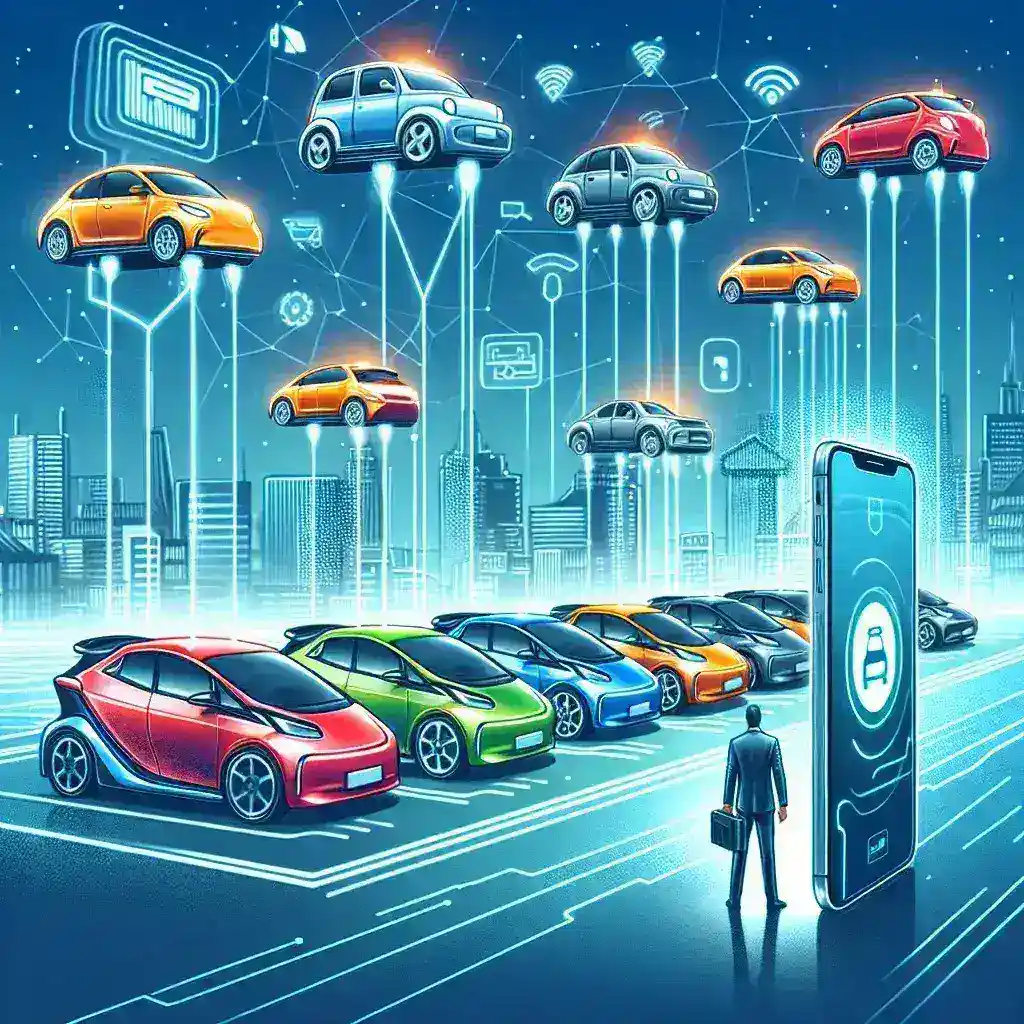
In an era where environmental sustainability is more critical than ever, companies across various sectors are adapting their strategies to meet the demands of eco-conscious consumers. One such company making significant strides is Lyft, known for its innovative rideshare solutions. Recently, Lyft took a substantial step forward by integrating an electric vehicle (EV) rental marketplace into its rideshare platform. This article delves into how this integration is reshaping urban transportation, promoting sustainability, and benefiting all stakeholders involved.
The Rise of Electric Vehicles
Electric vehicles have surged in popularity over the past decade, driven by advancements in battery technology, increasing environmental awareness, and government incentives. Consumers are now more inclined to consider EVs not just for their lower carbon footprint but also for their cost-effectiveness. In fact, according to recent statistics, the global EV market is projected to surpass $800 billion by 2027, reflecting a compound annual growth rate (CAGR) of over 22{1fdce5344563ab5a80cc9264b2d1e04e67416106819158a47bf0bfd08f96b90e}.
Historical Context of Ridesharing and EVs
Ridesharing services gained momentum in the early 2010s, providing a convenient and often cheaper alternative to traditional taxis. As environmental concerns intensified, the demand for eco-friendly transportation options began to grow. Lyft recognized this shift and started incorporating hybrid vehicles into its fleet. The integration of an EV rental marketplace is the logical next step in Lyft’s evolution, aligning with its commitment to sustainability.
What Does the Integration Mean for Lyft?
Enhancing User Experience
Integrating an EV rental marketplace allows Lyft to offer users a broader range of vehicle options. Riders can now choose to travel in electric vehicles, reducing their environmental impact while enjoying the same convenience and cost-effectiveness of traditional rides. This feature not only enhances the user experience but also fosters a community of environmentally conscious riders.
Strengthening Partnerships
By partnering with EV manufacturers and rental companies, Lyft is building a robust ecosystem that supports the transition to electric mobility. These partnerships will help Lyft ensure that users have access to a diverse fleet of EVs, catering to various preferences and budgets.
Benefits of the EV Rental Marketplace
1. Environmental Impact
One of the most significant benefits of integrating an EV rental marketplace is the positive impact on the environment. Electric vehicles produce zero tailpipe emissions, which can substantially reduce urban air pollution. Lyft’s initiative aligns with global efforts to combat climate change and promote cleaner air.
2. Economic Advantages
Transitioning to electric vehicles can result in long-term cost savings for both riders and the company. EVs generally have lower operating costs due to fewer moving parts and reduced fuel expenses. Lyft can pass these savings on to consumers, making rides more affordable.
3. Increased Market Share
As the demand for sustainable transportation options grows, Lyft stands to capture a larger share of the market by positioning itself as a leader in eco-friendly ridesharing. This strategic move can enhance brand loyalty among users who prioritize sustainability.
Challenges and Considerations
1. Infrastructure Requirements
The success of the EV rental marketplace hinges on the availability of charging infrastructure. While many urban areas are expanding their charging networks, rural locations may still lack sufficient access. Lyft must collaborate with local governments and private companies to address these infrastructure gaps.
2. Consumer Education
For many consumers, the transition to electric vehicles may come with uncertainties. Lyft must invest in educating users about the benefits of EVs, including potential cost savings and environmental advantages. Providing an informative onboarding experience can help allay concerns and encourage adoption.
The Future of Ridesharing and Electric Vehicles
As Lyft continues to innovate, the integration of an EV rental marketplace represents a significant shift toward sustainable urban transportation. Experts predict that ridesharing models incorporating electric vehicles will become increasingly popular, paving the way for a cleaner and more efficient future.
Predictions for the Market
Analysts forecast that by 2030, a significant portion of rideshare vehicles will be electric. This transition could redefine urban mobility, leading to lower emissions and improved public health outcomes. Lyft’s proactive approach positions it favorably for this anticipated market shift.
Conclusion
Lyft’s integration of an EV rental marketplace into its rideshare platform is a transformative step towards a more sustainable future for urban transportation. By embracing electric vehicles, Lyft is not only meeting the demands of modern consumers but also contributing to a greener planet. As the rideshare industry evolves, such innovative initiatives will play a pivotal role in shaping the future of mobility.
Leave a Reply