Introduction
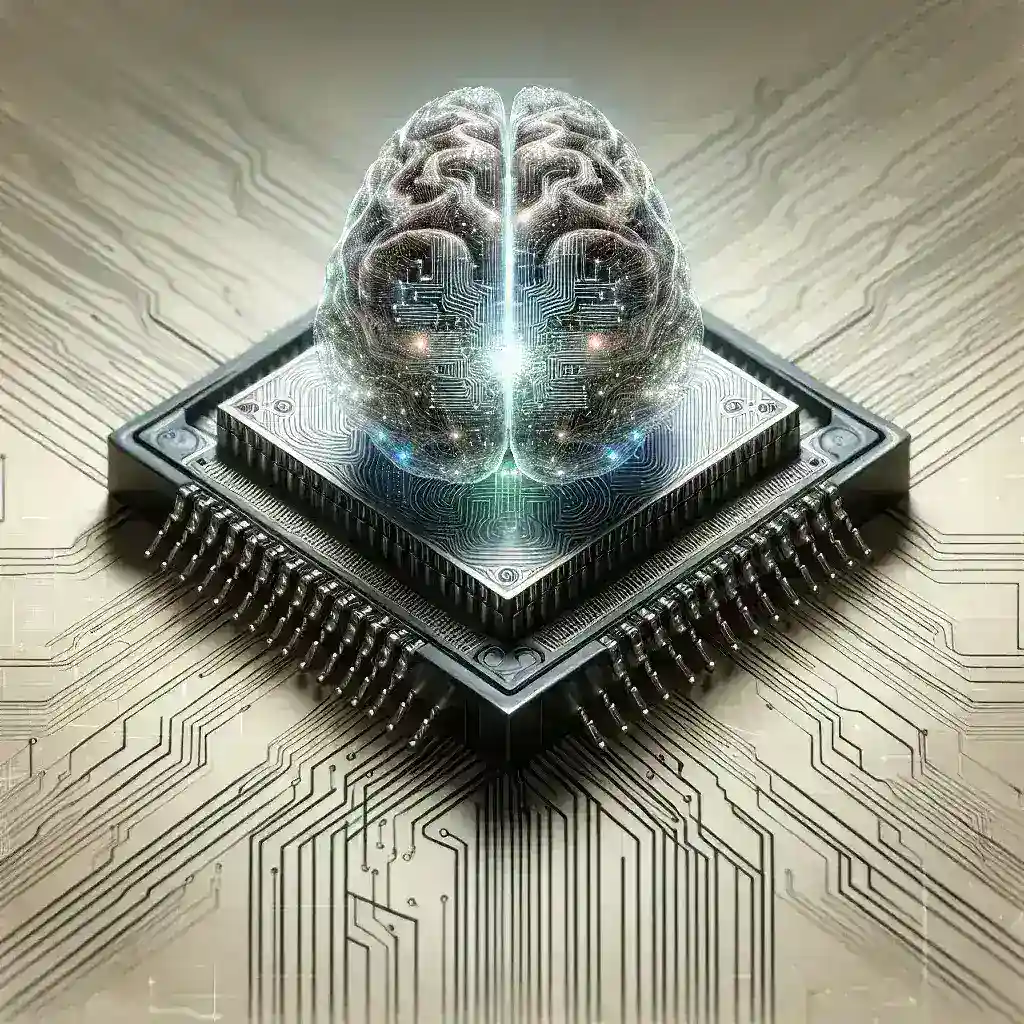
As we advance further into the realms of technology and artificial intelligence, the quest for creating machines that can think, learn, and adapt like humans intensifies. One of the most promising frontiers of research is in neuromorphic computing. This field seeks to replicate the architecture and functioning of the human brain through specialized chips—neuromorphic chips. These chips are designed to process information in a manner akin to human neurons, paving the way for revolutionary advancements in computing and artificial intelligence.
What is Neuromorphic Computing?
Neuromorphic computing is an interdisciplinary field blending neuroscience and computer engineering. It aims to create hardware and software systems that mimic the neural structure and operation of the human brain. Traditional computing relies on a sequential processing system, while neuromorphic computing utilizes a parallel processing approach, similar to how biological systems work. This method allows for more efficient data processing, enabling faster computations and learning capabilities.
The Architecture of Neuromorphic Chips
Neuromorphic chips consist of various elements designed to emulate the brain’s neural networks. Here’s a breakdown of their architecture:
- Neurons: The fundamental units of neuromorphic chips, analogous to biological neurons, are designed to receive, process, and transmit signals.
- Synapses: These connections between neurons are responsible for transmitting signals and can be strengthened or weakened, mimicking learning processes.
- Connections: Neuromorphic chips feature complex interconnections that allow for dynamic communication pathways, similar to the human brain’s synaptic connections.
- Plasticity: This refers to the chip’s ability to adapt and change connections, akin to how the brain learns and forms memories.
Historical Context
The concept of neuromorphic computing can be traced back to the early 1980s, when Carver Mead introduced the idea of neuromorphic engineering. His work emphasized creating circuits that mimic neurobiological architectures. Over the decades, advancements in materials science, nanotechnology, and computational theory have facilitated significant progress in this area. Notable projects such as IBM’s TrueNorth chip and Intel’s Loihi have highlighted the potential and capabilities of neuromorphic computing, sparking widespread interest and research.
Benefits of Neuromorphic Chips
Neuromorphic chips offer various advantages which make them suitable for a range of applications:
- Energy Efficiency: Neuromorphic chips consume significantly less power compared to traditional CPUs and GPUs, allowing for sustainable computing solutions.
- Real-Time Processing: Their ability to process data in real-time makes them ideal for tasks requiring immediate responses, such as robotics and autonomous vehicles.
- Enhanced Learning: Neuromorphic systems can learn from their experiences, leading to more intuitive and adaptive technologies.
- Scalability: These chips can be scaled up to mimic complex neural networks, offering vast potential for future advancements.
Challenges and Limitations
Despite their advantages, neuromorphic chips face several challenges:
- Complex Design: The architecture of neuromorphic chips is inherently complex, requiring advanced design techniques and materials.
- Limited Compatibility: Integrating neuromorphic chips with existing computing systems poses challenges due to differing operational paradigms.
- Scalability Issues: While scalable in design, actual implementation at a large scale remains a hurdle.
- Research Funding: Sustained investment in research and development is crucial for overcoming existing barriers.
Applications of Neuromorphic Computing
The potential applications for neuromorphic computing are vast and varied:
- Artificial Intelligence: Enhancing machine learning algorithms to create more intelligent, adaptive systems.
- Robotics: Providing robots with the ability to learn from their environment and adapt to new tasks.
- Healthcare: Developing systems capable of processing vast amounts of medical data for better diagnosis and treatment recommendations.
- Smart Devices: Creating more efficient and responsive smart technology that can learn user preferences over time.
Future Predictions
As research progresses, we can expect several developments in the future of neuromorphic computing:
- Increased Adoption: Industries will gradually incorporate neuromorphic chips into various technologies, from autonomous vehicles to AI-driven healthcare solutions.
- Integration with AI: Neuromorphic computing will likely enhance AI capabilities, leading to systems that can learn and evolve more like humans.
- Ethical Considerations: As technology advances, discussions around ethics and the implications of neuromorphic computing will become increasingly vital.
- Global Collaboration: Increased international collaboration on research and development will drive faster advancements and innovation.
Conclusion
Neuromorphic computing chips represent a groundbreaking step towards bridging the gap between human cognition and machine processing. By mimicking the architecture of the human brain, these chips pave the way for more efficient, adaptive, and intelligent technologies. While challenges remain, the benefits and potential applications of neuromorphic computing are profound and transformative. As we continue to explore this innovative frontier, the future of computing and artificial intelligence looks promising.
Leave a Reply